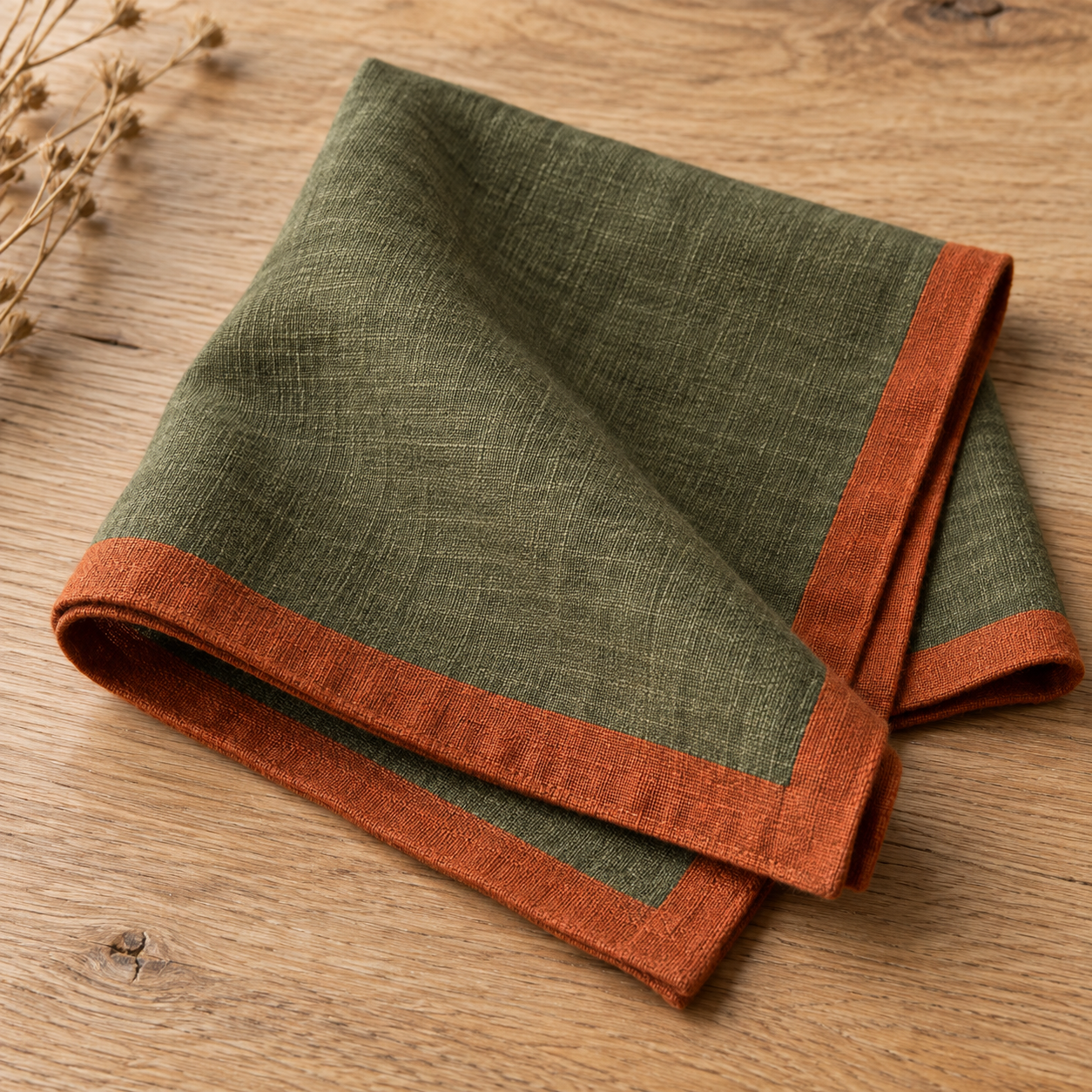
A custom handkerchief is a small product with a surprisingly large number of decisions behind it. A clear brief early on helps a factory test the right fabric, protect artwork detail and prepare a packing process that suits the final use—whether that is retail, an event or a gifting programme.
Start with the job the handkerchief needs to do
Before comparing materials, define the moment in which the item will be used. A pocket square for a retail collection, a wedding favour and a promotional bandana can share a basic construction, but they need different priorities. Retail buyers may need colour continuity across a seasonal range. Event teams may value presentation and an efficient packing format. A campaign item may need a print that remains clear at a distance.
Give your manufacturer a practical product brief: intended user, target retail position or event date, approximate quantity, size range, preferred material, artwork files and how the item will be packed. This gives the sampling team a useful starting point rather than asking them to guess at the finished result.
Choose fabric for hand feel, print and use
Cotton is a familiar choice for everyday printed handkerchiefs because it is breathable, versatile and widely understood. Linen brings a drier, more textured handle that can be a strong fit for premium gifting or natural-material stories. Blends can help balance drape, crease behaviour and budget, but should be reviewed against the intended finish rather than selected by composition alone.
SAMPLING CHECKPOINT
Ask to assess the fabric in the finished format.
Review a folded and pressed sample, not only a swatch. The edge construction, print coverage and final hand feel are easier to judge when the product is handled as the customer will receive it.
For printed artwork, discuss base colour, scale and the level of line detail. Fine artwork can behave differently after fabric preparation and printing. A good sample approval process identifies these points before bulk production rather than treating the approved digital file as the only reference.
Specify construction and edge finish clearly
The finish around the edge is one of the first details a customer notices. Machine hemming can be appropriate for a neat, repeatable commercial programme. Rolled or hand-finished effects may suit a more elevated product direction. Whichever route you choose, document the expected width, corner appearance, thread colour and acceptable workmanship standard.
Size tolerance also belongs in the specification. Fabric can move during cutting, printing and finishing, so the production team needs a realistic target size and an agreed tolerance. This is especially important where the handkerchief will be folded into a box, wrapped with a belly band or paired with another item.
Use sampling to reduce avoidable production risk
A sample is not simply a presentation piece. It is the point at which material, artwork, construction and packaging should meet in one reviewable item. Request photos or a physical sample that show the front, reverse, corners, edge finish and final fold. If packaging is part of the programme, review it together with the handkerchief instead of treating it as a separate decision.
During factory testing and pre-production review, keep one signed-off reference for the production floor. It should capture the approved fabric, colour reference, artwork placement, finishing notes and packing method. This gives both sides a stable point of comparison when questions arise later in the order.
Agree inspection checkpoints before bulk production
Quality control works best when it is planned into the programme. Typical checkpoints include fabric and colour review, in-line workmanship checks, final visual inspection and carton verification. For a printed custom handkerchief, an inspection plan may look at print placement, colour consistency, edge quality, loose threads, folds and packing count.
Ask which records can be shared before shipment. For example, product photos, packing photos and carton-mark confirmation can be useful references for buyers preparing warehouse intake. Requirements vary by market and programme, so any compliance or testing requirement should be discussed against the selected material and destination rather than assumed.
See our quality-process overviewPlan packing for the final customer experience
Packaging affects both presentation and handling. Individual tissue wrapping, folded sets, gift boxes, header cards and export cartons each create different requirements for folding, dimensions and dispatch. Share any dielines, branding requirements and barcode needs before bulk packing starts.
A shipment inspection is a useful final checkpoint. It can confirm the final count, the visible presentation of packed goods and the carton arrangement against the approved packing instructions. This small step often prevents avoidable friction when the order reaches the buyer’s warehouse.
A practical brief checklist
- Intended use, delivery timing and estimated order quantity
- Target size, fabric direction and desired hand feel
- Artwork files, print placement and colour references
- Edge construction, thread colour and workmanship expectations
- Sampling approval steps and production reference sample
- Individual packing, carton requirements and destination needs
Frequently asked questions
What should I send for an initial quote?
Send your estimated quantity, size, fabric preference, artwork if available and packing needs. If some details are undecided, identify the product’s intended use so the factory can suggest practical options.
Can I use my own artwork?
Yes. Provide the best available source file and clarify the intended print area. The sampling stage is where artwork scale and detail should be assessed on the selected fabric.
When should packaging be confirmed?
Ideally before bulk production and certainly before packing begins. A complete packing brief keeps the fold, presentation and carton planning connected.
YOUR NEXT PROGRAMME